Key Takeaways
- Samsung is expanding Galaxy AI so it can connect to multiple AI services instead of relying on just one.
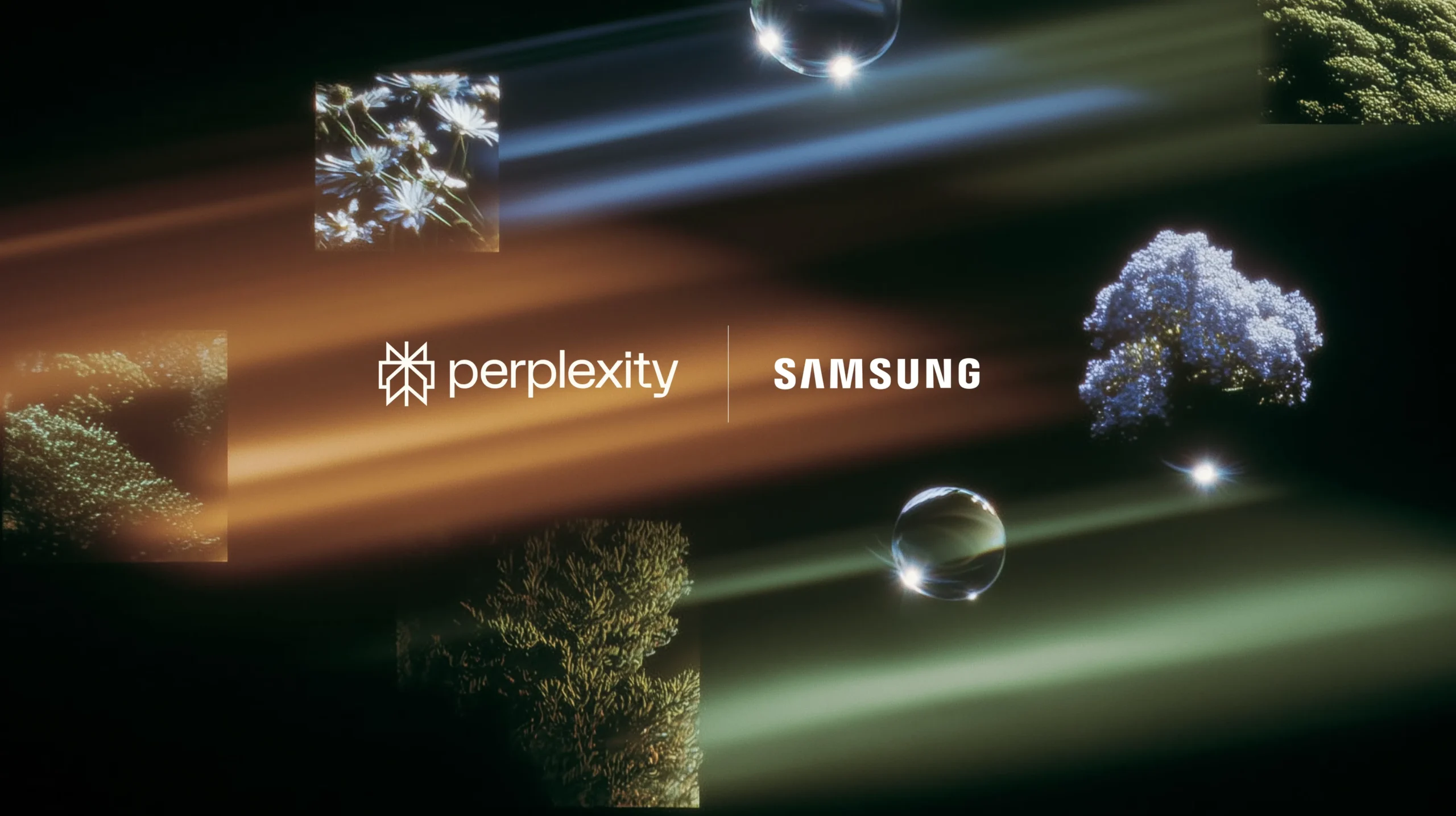
- Perplexity is being added as a new AI option on upcoming Galaxy devices.
- Samsung says this shift is about giving users more choice and flexibility.
- Privacy remains central, with on-device processing and Samsung Knox protections supporting Galaxy AI features.
- The update positions Galaxy AI as a growing platform across the Galaxy ecosystem.
What’s Different About Galaxy AI Now
Samsung calls the update a “multi-agent ecosystem.”¹ The simple idea is this: Galaxy AI can use different AI tools for different tasks instead of depending on a single system to handle everything.
That doesn’t mean you’ll suddenly see a complicated dashboard of AI settings. In fact, Samsung’s goal seems to be the opposite. The company says Galaxy AI is expanding to give users more choice and flexibility — not more confusion.¹
In everyday terms, it means your phone can tap into the right AI service depending on what you’re doing.
Samsung Is Adding More AI Options to Galaxy AI
One of the biggest changes is the addition of Perplexity to Galaxy AI on upcoming flagship Galaxy devices. Perplexity is known for answering questions with sourced information, and Samsung says it will integrate across core Galaxy apps.
According to reporting, users will be able to activate Perplexity with a wake phrase (“Hey Plex”) and access it more directly within the Galaxy experience.⁴
This does not mean Samsung is replacing everything that was already there. Instead, Galaxy AI is becoming a layer that connects multiple AI services inside the Galaxy ecosystem.
The benefit? More flexibility. If one AI service is better suited for search and another works better for writing or contextual tasks, Galaxy AI can support both.
How Galaxy AI Could Show Up in Daily Use

For most people, the technical structure matters less than the outcome. So what might feel different?
Writing and Editing

Samsung’s Galaxy AI overview highlights writing support as one of its core capabilities.² Whether you’re drafting a message, rewriting a note, or adjusting tone, Galaxy AI is designed to assist within the flow of what you’re already doing.
With multiple AI services now supported, Samsung creates room for different tools to handle different types of requests.
Searching and Asking Questions
With Perplexity integrated into Galaxy AI, users may see faster access to sourced answers without jumping between apps.¹ That can make quick lookups feel more seamless.
Cross-App Support
Samsung says Galaxy AI connects across apps in the Galaxy ecosystem.¹ That means the AI experience is not isolated to one place — it works across supported features on the device.
The goal is not to overwhelm users with new menus. It’s to reduce friction when you’re trying to get something done.
Why Samsung Is Expanding Galaxy AI Now
AI features are becoming standard in smartphones. Samsung appears to be positioning Galaxy AI as something that can grow over time rather than stay fixed.
By allowing multiple AI services to operate within Galaxy AI, Samsung avoids locking the system to one provider.¹ That flexibility could help Samsung adapt as AI technology evolves.
Industry reporting describes this as part of a broader trend toward AI agents working together rather than operating in isolation.⁵
For Samsung, expanding Galaxy AI into an ecosystem model means the platform can evolve without forcing users to relearn how their phone works.
Privacy and Security in Galaxy AI
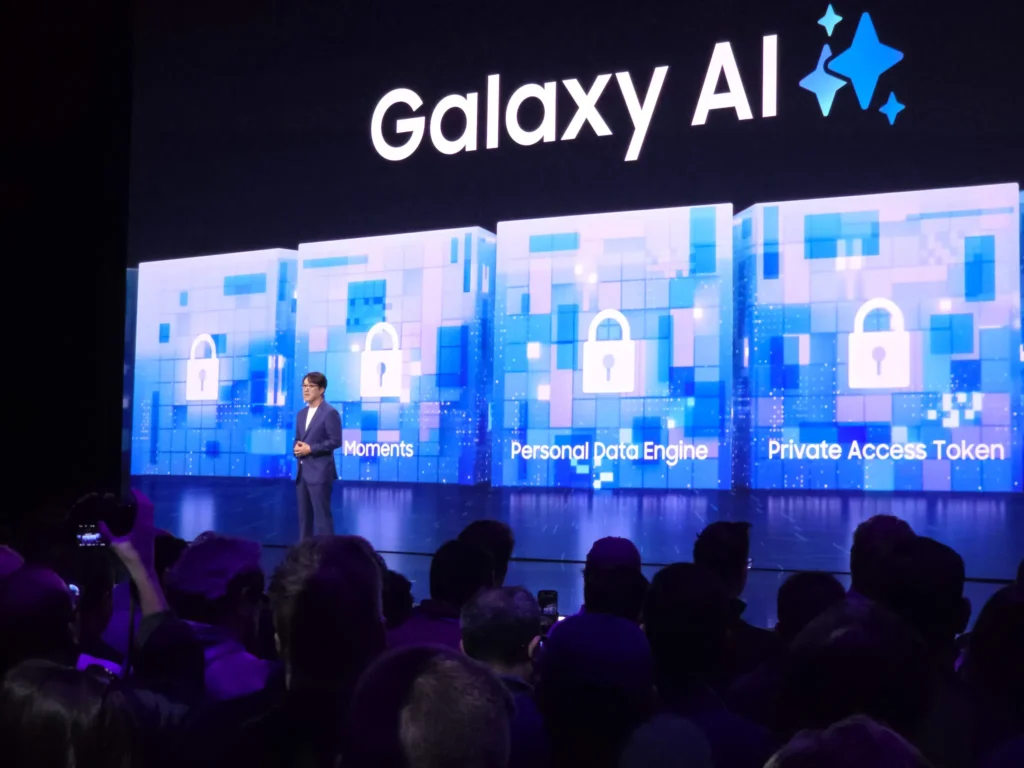
Whenever AI expands, questions about privacy follow. Samsung emphasizes that certain Galaxy AI features can run directly on the device.²
On-device processing means some AI tasks are handled locally, which can reduce how much information is sent to external servers. Samsung also highlights Knox Vault as part of its security infrastructure, isolating sensitive data at the hardware level.³
While different features may function differently depending on the task, Samsung’s messaging consistently frames Galaxy AI as built with privacy safeguards in place.
Galaxy AI as a Platform, Not Just a Feature
What makes this update meaningful is that Galaxy AI is becoming more than a collection of isolated tools. Samsung is shaping it as a flexible foundation inside Galaxy devices.¹
Instead of one assistant doing everything, Galaxy AI can support multiple AI services working within the same ecosystem.
Over time, that could mean smoother updates, more capable features, and less dependence on a single backend system.
For users, the change may feel subtle at first. But behind the scenes, Samsung is setting up Galaxy AI to grow alongside advances in artificial intelligence.
The Bottom Line
Samsung expanding Galaxy AI is less about adding one flashy feature and more about changing how AI works on Galaxy phones.¹
By allowing multiple AI services to operate within Galaxy AI, Samsung is giving users more flexibility and more control — without requiring them to think about technical details.
If Samsung continues building in this direction, Galaxy AI could become a consistent layer across Galaxy devices that quietly supports writing, search, and everyday tasks in a way that feels natural.
And for most users, that’s what matters.
Citations
- Samsung Newsroom US. “Galaxy AI Expands Multi-Agent Ecosystem to Give Users More Choice and Flexibility.” Samsung Newsroom US, 21 Feb. 2026.
- Samsung. “Galaxy AI | Mobile AI and AI Features on Devices.” Samsung US, 2026.
- Samsung Newsroom US. “Your Privacy, Secured: How Galaxy AI Protects Privacy with Samsung Knox Vault.” Samsung Newsroom US, 20 June 2025.
- Warren, Tom. “Samsung Is Adding Perplexity to Galaxy AI.” The Verge, 23 Feb. 2026.
- Nield, David. “‘There’s Possibility for Another Partner to Join the Ecosystem’ as Perplexity Lands on Samsung Galaxy S26 Phones.” TechRadar, 25 Feb. 2026.