Intelligent Commerce is Visa’s plan to let AI tools help us shop and pay with clear permission from the buyer. Through its OpenAI partnership, Visa aims to connect ChatGPT shopping requests with secure Visa payments, spending limits, approval steps, merchant controls, tokenized card details, and fraud checks.1
What Visa and OpenAI Announced
Visa and OpenAI announced a partnership designed to bring secure Visa payments into OpenAI experiences, including shopping handled through AI agents.2 In everyday terms, this means a person may eventually ask ChatGPT to find an item, compare options, and move toward checkout using a linked Visa card.
That is a major step beyond asking ChatGPT for shopping ideas. Until now, many AI shopping tools have mostly helped with research. We could ask for “wireless headphones under $150” or “a birthday gift for someone who runs,” and the tool could provide options. With Intelligent Commerce, the goal is to connect that recommendation step to payment.
Visa says the system is designed to work within user-defined permissions. That detail matters. The core idea is not that AI gets open access to our money. The safer version is that we set rules first. Those rules may include dollar limits, merchant categories, approved sellers, or a requirement that we confirm a purchase before it goes through.
Why Intelligent Commerce Matters for Everyday Shopping

Intelligent Commerce matters because online shopping often involves too many tabs, unclear choices, price checks, delivery questions, and return-policy concerns. AI tools could reduce some of that back-and-forth by narrowing choices based on what we ask for.
For example, we might say, “Find a carry-on bag under $175 that fits most airline rules and has strong reviews.” Instead of opening many browser tabs, we may receive a shorter list. If payments are connected, the same tool could help move the purchase forward after we approve it.
That convenience is the appeal. The risk is also clear. A purchase is not just a search result. It involves money, identity, shipping information, return rights, and customer service. That is why Intelligent Commerce will depend heavily on trust.
Visa’s role is important because payment companies already deal with authorization, fraud checks, and dispute processes. In this partnership, Visa says it will provide its global network, credentialing capabilities, security infrastructure, tokenization, real-time authorization, and fraud monitoring.2
Tokenization means our real card number is replaced with a protected version of that payment information. That way, a shopping tool does not need to expose the full card number each time a payment is attempted.
How Intelligent Commerce Could Work in ChatGPT
A typical Intelligent Commerce flow may look like this:
1. We ask ChatGPT for help finding something.
2. ChatGPT gathers options based on our request.
3. We review the item, seller, price, and delivery details.
4. We approve or reject the purchase.
5. isa helps process the payment through protected credentials.
6. The merchant handles the order, delivery, returns, and support.
OpenAI previously introduced buying inside ChatGPT through Instant Checkout. In that earlier setup, OpenAI said users could buy certain items from supported sellers without leaving the chat, while the merchant handled orders, payment, fulfillment, returns, and customer support through its own systems.3
However, this point needs important context. AP reported that OpenAI retired Instant Checkout in March 2026 after limited merchant adoption and concerns about fees.1 That means we should describe Instant Checkout as an earlier OpenAI effort, not as the current model for all ChatGPT shopping.
The Visa partnership appears broader because Visa is accepted at more than 175 million merchant locations, according to Visa’s Intelligent Commerce page.4 That reach could make AI-led checkout easier for more sellers to support over time. Still, Visa says Intelligent Commerce is currently in deployment and that the final product may not include every feature described on its site.4
The Main Benefits for Shoppers

The first benefit is time. If we already know what we want, AI can help narrow the search. That may be useful for routine purchases, such as household goods, gifts, travel items, school supplies, or basic electronics.
The second benefit is consistency. We can give clear rules: price range, brand preferences, delivery deadline, size, color, or seller limits. If the system follows those rules well, shopping could feel less scattered.
The third benefit is payment safety. Visa says Intelligent Commerce includes spending limits, merchant categories, required approvals, tokenized Visa credentials, real-time authorization, and fraud monitoring.2 These guardrails are central because they help keep the buyer in control.
The fourth benefit is fewer payment steps after approval. Many shoppers already trust saved payment methods, mobile wallets, and card alerts. Intelligent Commerce could extend that familiar pattern into AI-assisted buying, while still requiring permission before money moves.
The Main Concerns We Should Watch
We should not treat Intelligent Commerce as risk-free. Any system that can help spend money needs tight controls.
The biggest concern is authorization. If a purchase goes wrong, who is responsible: the user, the AI platform, the merchant, the card issuer, or the payment network? Visa and OpenAI will need clear rules so people know how disputes work.
The second concern is accuracy. AI tools can misunderstand details. A small mistake in size, quantity, delivery address, product model, or seller selection can become a real purchase problem.
The third concern is privacy. Shopping data can reveal a lot about us: health needs, family details, travel plans, finances, hobbies, and personal routines. We should know what information is shared, who receives it, and whether we can limit that sharing.
The fourth concern is spending speed. If checkout becomes too easy, we may buy faster than we intended. Spending limits and approval steps are not minor details. They are the features that make Intelligent Commerce more responsible.
What Businesses Need to Understand
For merchants, Intelligent Commerce may change how people find products. A customer may no longer begin with a search engine, a store homepage, or a marketplace app. Instead, the customer may ask an AI tool to produce a short list.
That means product information must be clear, accurate, and easy for approved systems to read. Prices, availability, shipping rules, return policies, product details, and customer support information all become more important.
Visa’s Intelligent Commerce Connect release says the product can help merchants make product inventories, descriptions, specifications, and prices accessible so consumers can select and check out within an AI platform experience.5 That suggests online sellers may need stronger product feeds, cleaner checkout systems, and tighter payment controls.
Stores should also prepare for new payment flows. If customers arrive through AI tools, merchants will need confidence that the buyer approved the purchase and that the payment is valid.
What We Should Do Before Using AI to Buy
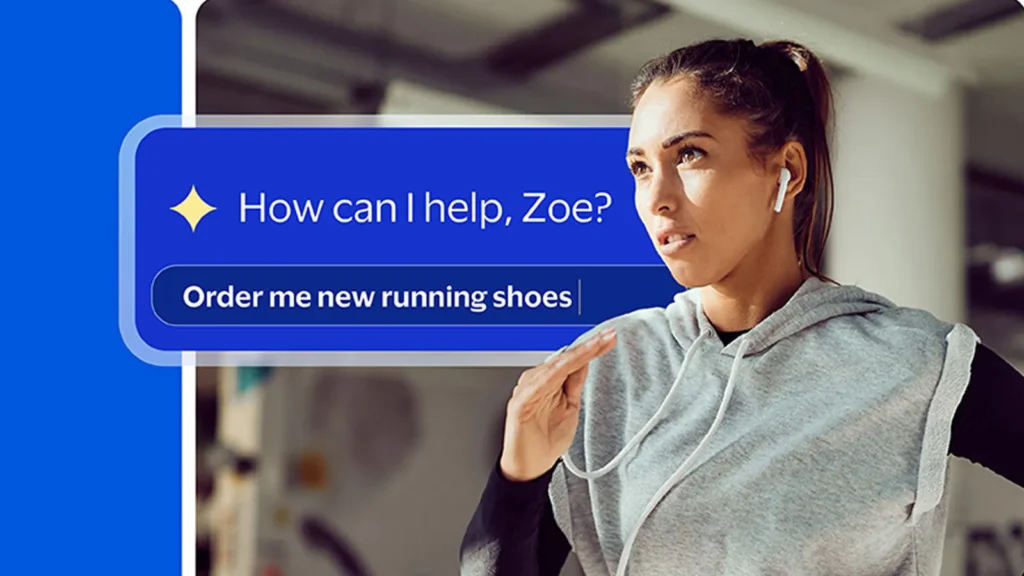
Before using Intelligent Commerce, we should set strict rules. We should start with low spending limits, require approval before every purchase, and restrict the types of merchants an AI tool can use.
We should also review every order before payment. The product name, model number, price, shipping cost, seller, delivery date, and return policy should all be checked. If anything looks unclear, we should pause the transaction.
We should use payment alerts from our bank or card issuer. Real-time notifications can help us catch mistakes quickly. We should also avoid giving broad permission for repeat purchases unless we fully understand how to pause or cancel them.
Most of all, we should remember that Intelligent Commerce should serve our choices. The tool may assist with research and checkout, but we remain the buyer.
The Bottom Line
Visa and OpenAI are moving AI shopping from advice toward action. Intelligent Commerce could make buying more organized, especially when we set clear rules and stay involved.
The real test will be trust. If people feel in control, understand how payments work, and can resolve mistakes, Intelligent Commerce may become a normal part of online shopping. If the rules feel unclear, many shoppers will be right to wait.
For now, the balanced approach is best. We can welcome the convenience, but we should keep approval steps, spending limits, privacy settings, and purchase reviews firmly in place.
Citations
- Ortutay, Barbara, and Ken Sweet. “Visa Plugs Its Payment Network into ChatGPT, Letting AI Agents Shop and Pay for Users.” AP News, Associated Press, 10 June 2026.
- Visa Inc. “Visa Partners with OpenAI to Power the Next Generation of AI Commerce.” Visa, 10 June 2026.
- OpenAI. “Buy It in ChatGPT: Instant Checkout and the Agentic Commerce Protocol.” OpenAI, 29 Sept. 2025.
- Visa Inc. “Enabling AI Agents to Buy Securely and Seamlessly.” Visa, 2026.
- Visa Inc. “Visa Opens the Door to AI-Driven Shopping for Businesses Worldwide.” Visa, 8 Apr. 2026.