Key Takeaways
- Subagents are smaller AI tools that each handle one part of a larger task.
- OpenAI Codex is the clearest match for the term because OpenAI explicitly documents subagent workflows and says Codex is designed for multi-agent workflows.
- Claude Code also supports agent teams, but Anthropic describes them as multiple Claude Code agents rather than subagents.
- Gemini CLI is an open-source AI agent for the terminal that uses built-in tools and MCP servers for multi-step work.
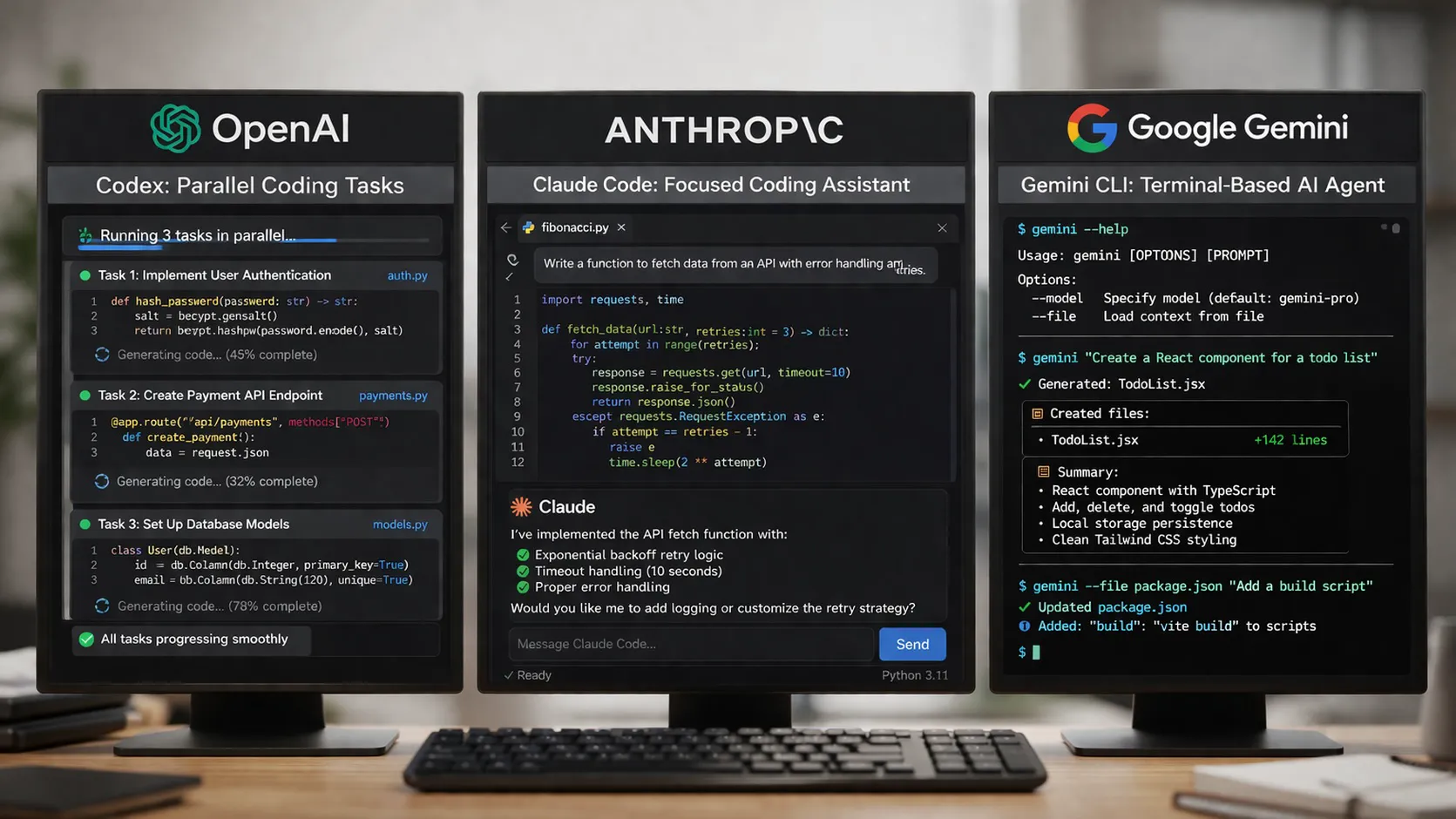
- Subagents are smaller AI tools that each handle one part of a larger task. That might mean one tool searches a codebase, another edits files, and another checks whether the changes worked. Instead of asking one AI system to manage everything at once, the work gets split into smaller parts. For people who do not know much about AI, that is the easiest way to think about subagents. OpenAI Codex, Claude Code, and Gemini CLI all help with coding work, but they do not present this idea in exactly the same way.¹
What Are Subagents?
The simplest explanation is that subagents break a bigger task into smaller jobs. That can be useful when a request has many steps, like understanding a codebase, writing code, testing it, and checking for problems.
OpenAI is the company in this comparison that uses the term most directly. In its Codex documentation, OpenAI says Codex can run subagent workflows by spawning specialized agents in parallel and then collecting their results in one response. OpenAI also says this is especially helpful for complex tasks such as exploring a codebase or implementing a multi-step feature plan.¹
So if someone asks what subagents are, a plain answer would be: they are smaller AI tools or agents that split up a larger job so the work is easier to manage.
Why Subagents Matter
This matters because coding is rarely just one step. A developer may need to inspect files, compare changes, run commands, fix a bug, and test the result. When one system tries to hold all of that at once, it can get messy. Subagents can make that process easier to organize by giving different parts of the work different roles.¹
That does not mean every tool uses the same label. Some talk about subagents. Some talk about agent teams. Some just describe an AI agent with tools. But the general idea is similar: break the work into parts and let the system handle those parts in a more organized way.³
OpenAI Codex: The Clearest Subagents Example
Out of the three tools here, Codex is the clearest example of subagents. OpenAI’s Codex page says the app is designed for multi-agent workflows and that agents work in parallel across projects. OpenAI also says the Codex app includes built-in worktrees and cloud environments so multiple agents can work at the same time.²
That lines up closely with the idea of subagents. OpenAI is not just hinting at it. It is directly documenting subagent workflows and showing how they fit into real coding tasks. Because of that, Codex is the strongest match for anyone writing an article focused on subagents.¹²
Claude Code: Agent Teams, Not the Same Label
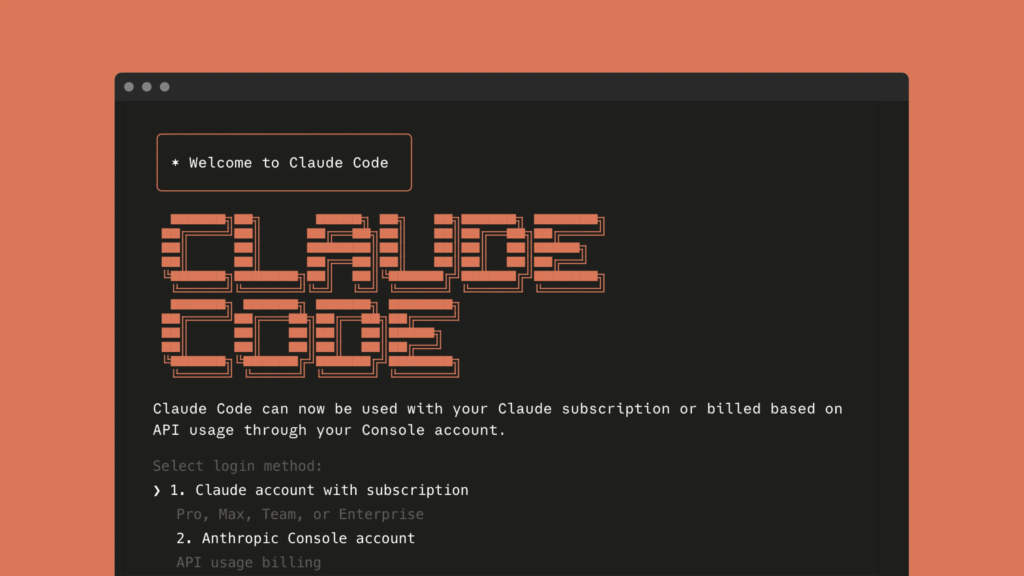
Claude Code belongs in this comparison, but it needs careful wording. Anthropic says Claude Code can read your codebase, edit files, run commands, and manage your project from the command line. Anthropic also says users can spawn multiple Claude Code agents that work on different parts of a task at the same time, with a lead agent coordinating the work and merging the results.³
That means Claude Code does support multi-agent work. The main difference is that Anthropic does not appear to use the term subagents on the overview page we checked. So the most accurate way to describe it is this: Claude Code supports agent teams, but Codex is more directly tied to the specific term subagents.¹³
Gemini CLI: Terminal-First and Open Source
Gemini CLI is Google’s terminal-based option. Google says it is an open-source AI agent that gives users access to Gemini directly in the terminal. Google also says Gemini CLI uses a reason-and-act loop with built-in tools and local or remote MCP servers to handle work such as fixing bugs, creating features, and improving test coverage.⁴
That makes Gemini CLI a strong fit for people who want a terminal-first tool and more direct control over how they work. But based on the source we checked, Google describes it as an AI agent, not specifically as a subagents system. So it fits this article best as part of the broader move toward agent-based coding tools.⁴
Final Thoughts
If you are new to AI, here is the main point: subagents are just smaller AI tools handling smaller parts of a larger task. In this comparison, Codex is the clearest example because OpenAI directly documents subagent workflows. Claude Code also supports multi-agent work, though Anthropic uses different wording. Gemini CLI is an open-source AI agent for the terminal, built for structured, multi-step work.
Citations
- OpenAI. “Subagents.” OpenAI for Developers, 2026.
- OpenAI. “Codex.” OpenAI, 2026.
- Anthropic. “Claude Code Overview.” Claude Code Docs, Anthropic, 2026.
- Google. “Gemini CLI.” Google for Developers, Google, 2 Feb. 2026.