
Key Takeaways
- AI wearables are getting easier to live with, especially glasses, rings, watches, and audio-first devices.
- In 2026, buying decisions are heavily shaped by privacy, comfort, battery life, and recurring cost.
- The best wearable depends on your routine, not the longest feature list.
- If you start with categories (productivity, fitness, sleep, budget), choosing gets much faster.
You don’t need another list stuffed with specs. If you’re shopping for ai wearables, you just want to know which one is worth your money—and which one ends up in a drawer after two weeks. The ai wearables market is growing quickly, which means more good options and more noise at the same time.¹ This guide keeps it simple: what each device is best at, who it fits, and one trade-off to know before you buy.
Key Trends in 2026 for AI Wearables
The first trend is less screen time, more quick support. New ai wearables are leaning into short voice prompts, glanceable info, and lightweight form factors instead of long app sessions.³
The second trend is continued movement toward health-focused features. As software-led health tools expand, regulatory context matters more. The FDA’s Digital Health Center of Excellence remains a core reference point for how digital health technologies are evaluated and guided.⁴
The third trend is privacy pressure. Reporting around facial-recognition discussions in smart glasses has pushed buyers to pay closer attention to permissions, data retention, and control settings.²
And the fourth trend is cost awareness. People are finally pricing ai wearables as total ownership: device price plus monthly fees over time.
Top 10 AI Wearables in 2026
Each pick follows the same format: best use, best for, one drawback.
1) Ray-Ban Meta Smart Glasses
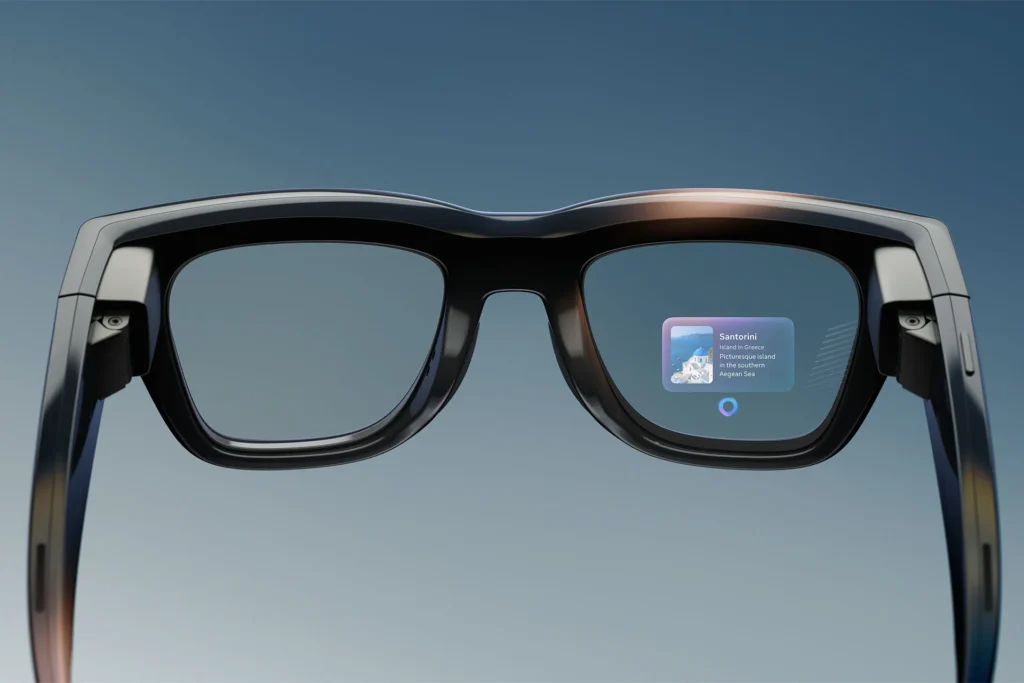
Best use: Hands-free capture, audio, and quick voice help.
Best for: Commuters, travelers, and anyone trying to stay off their phone more often.
One drawback: Camera-equipped glasses can create privacy discomfort in public spaces.²
2) Even Realities G2
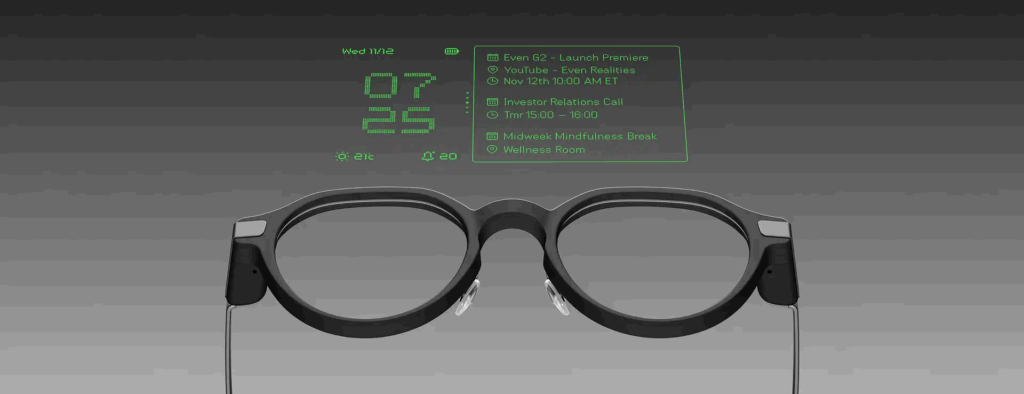
Best use: Subtle visual prompts and translation-style assistance.
Best for: Meetings, travel, and short reference moments.
One drawback: Review coverage notes software rough edges despite strong hardware direction.⁵
3) Samsung Galaxy Ring
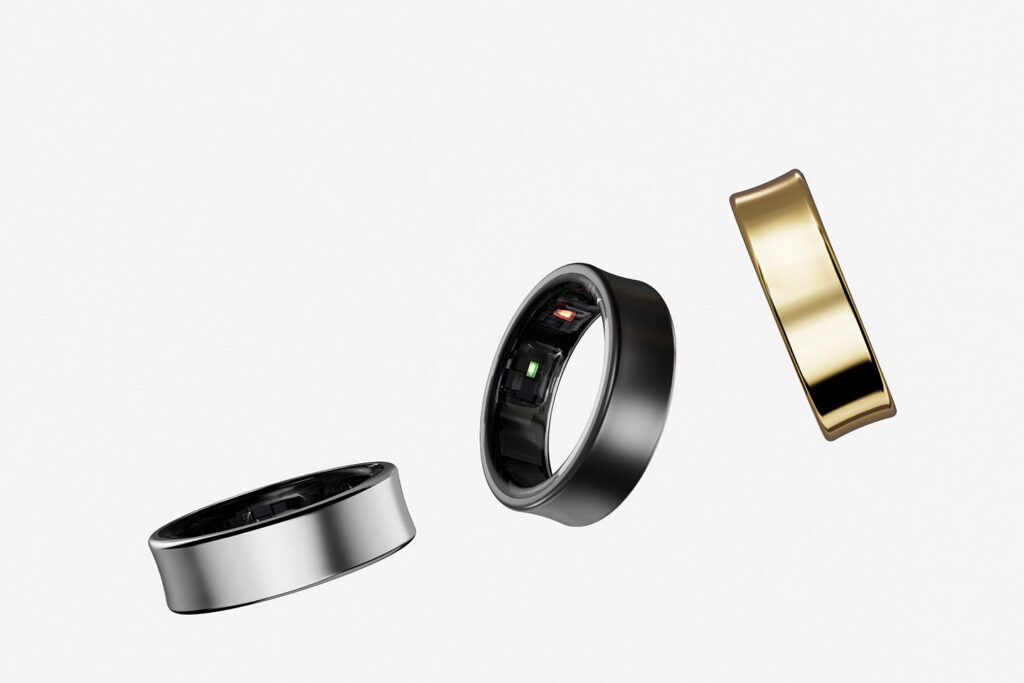
Best use: Passive health tracking in a very small form factor.
Best for: People who don’t want a watch on their wrist all day (or all night).
One drawback: Experience depends heavily on ecosystem fit.
4) Oura Ring
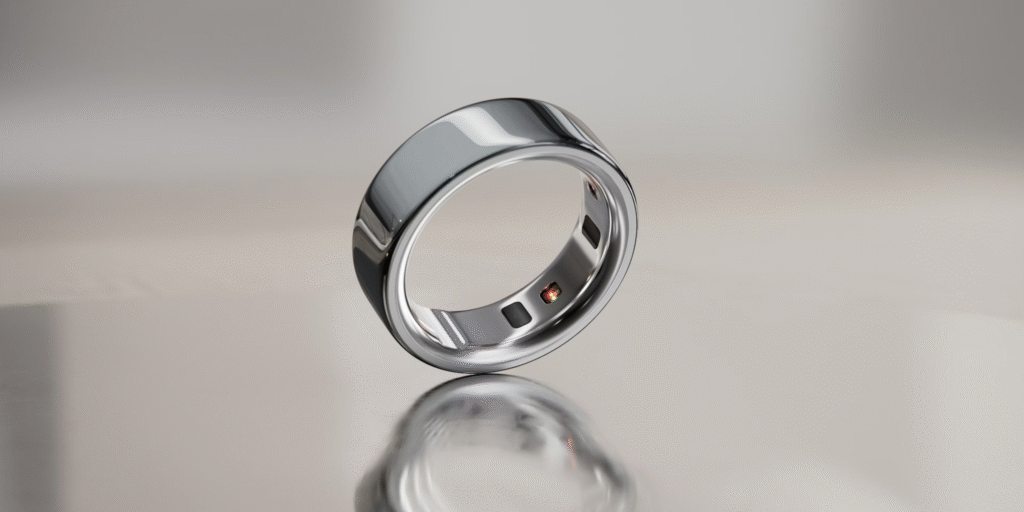
Best use: Sleep and recovery trend tracking.
Best for: People trying to improve consistency with sleep habits.
One drawback: Ongoing membership cost can be a sticking point.
5) Apple Watch (current lineup)
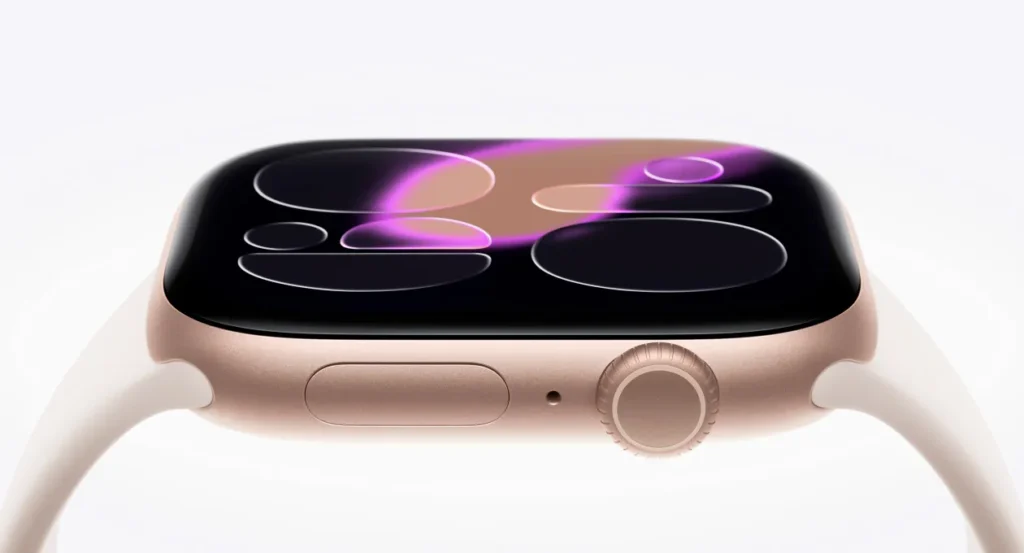
Best use: All-around daily wearable for health, safety, and notifications.
Best for: iPhone users who want one primary device.
One drawback: Charging cadence may be frustrating if you prefer multi-day battery life.
6) Pixel Watch (current lineup)
Best use: Android-centered daily watch experience with strong health tooling.
Best for: Android users who want one wearable to do most things well.
One drawback: Value depends on how much you use advanced features.
7) Whoop
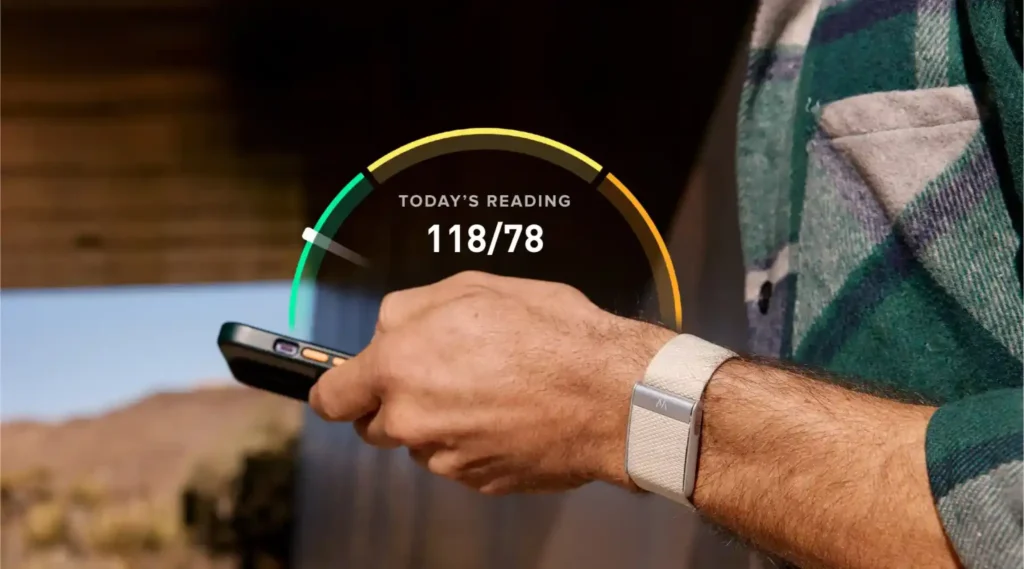
Best use: Recovery and training-readiness tracking.
Best for: People focused on performance trends over time.
One drawback: Membership model isn’t ideal for every budget.
8) AI Open-Ear Audio Wearables (2026 class)

Best use: Fast voice interactions while staying aware of your surroundings.
Best for: Calls, reminders, errands, and quick daily tasks.
One drawback: Not great for use cases that need visual information.
9) Lenovo Concept AI Glasses (CES 2026)
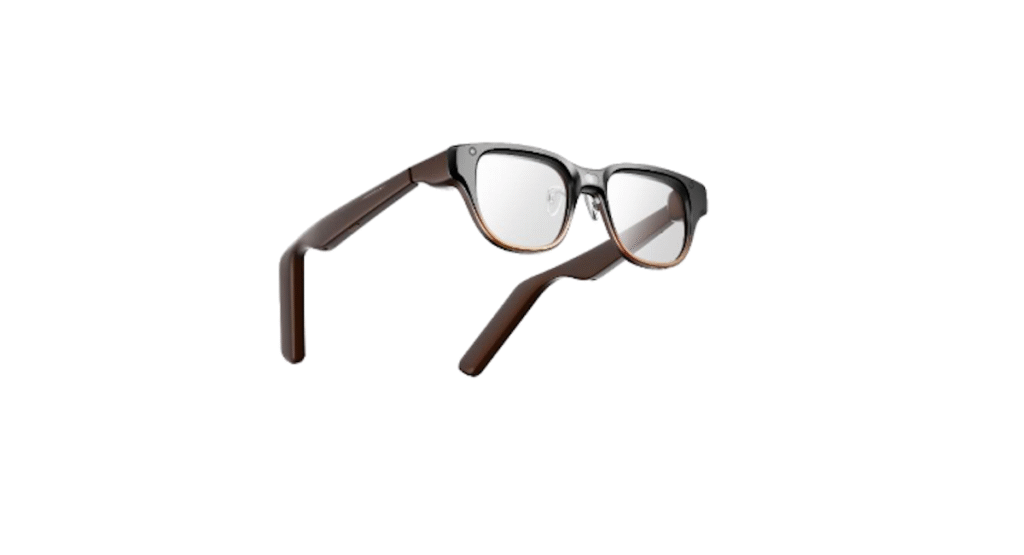
Best use: A look at where consumer smart glasses may head next.³
Best for: Early adopters tracking category direction.
One drawback: Concept products often change before retail launch.³
10) Emerging Android XR-Linked Wearables
Best use: Signals broader ecosystem support for upcoming headworn experiences.³
Best for: People willing to wait for next-wave hardware.
One drawback: Early cycles can bring first-gen compromises and higher pricing.
Top AI Wearables by Category
- Best Overall: Ray-Ban Meta Smart Glasses
- Best for Productivity: Even Realities G2
- Best for Fitness: Whoop
- Best for Sleep: Oura Ring
- Best for iPhone Users: Apple Watch
- Best for Android Users: Pixel Watch
- Best Budget Entry: AI open-ear audio wearables
- Best for Privacy-Conscious Buyers: Ring/watch setups without cameras
Buyer Checklist Before You Buy AI Wearables
1. Phone compatibility: iOS, Android, or both
2. Battery fit: Can it make it through your normal day?
3. Privacy controls: Are permissions clear and easy to manage?²
4. Subscription math: Optional add-on or required monthly cost?
5. Comfort: Will you still want to wear it after a full day?
Buy Now or Wait?
Buy now if you already know your main use case and can name what you’ll use daily. Wait if you’re still unsure about privacy trade-offs, recurring fees, or first-generation hardware limitations. With ai wearables, the best pick is the one that blends into your day and keeps proving useful after the novelty wears off.
Citations
- International Data Corporation. “Wearable Devices Market Insights.” IDC, 21 Oct. 2025.
- Roth, Emma. “Meta reportedly wants to add face recognition to smart glasses while privacy advocates are distracted.” The Verge, 13 Feb. 2026.
- Song, Victoria. “Lenovo’s joining the bandwagon with concept AI glasses.” The Verge, 7 Jan. 2026.
- U.S. Food and Drug Administration. “Digital Health Center of Excellence.” FDA, 4 Feb. 2026.
- Hill, Simon. “Review: Even Realities G2.” WIRED, 10 Feb. 2026.